Brand, app and launch, built together
Drifted builds the app, the brand and the launch for Pakistani startups as one contract, and decides how the product makes money before the first screen is drawn. For ehsaan, a person-to-person thrift marketplace, the first working build took 23 prompts and now runs against a 19-section knowledge base; the identity, the social content and the launch were made beside it. The founder owns the code.
In detail
Why do most app launches in Pakistan go quiet after the first week?
Because the app, the brand and the launch were bought from three people who never met. The developer shipped a build with no reason to open it twice. A designer made a logo that says nothing about what the product does. A freelancer posted a countdown to an audience nobody had built. And underneath all three, nobody had written down how the thing earns, so the launch had no number to be judged against. A launch that goes quiet is usually a product that was never asked to pay, announced to people who were never asked to care.
ehsaan, and what one contract made possible
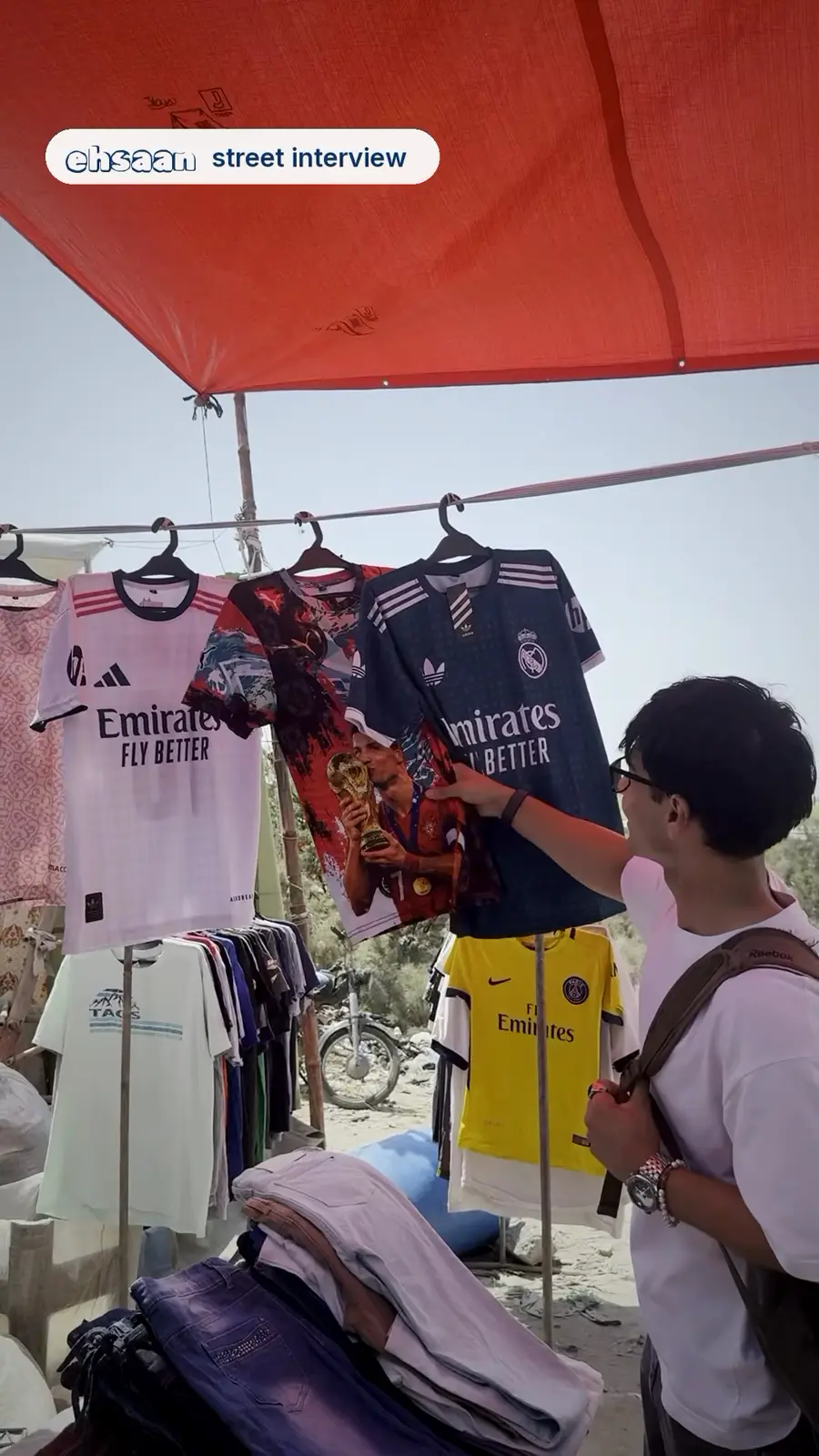
Second-hand clothing in Pakistan was traded in comment sections, WhatsApp groups and Instagram messages: no listings, no search, no way for a stranger to trust a stranger with money. ehsaan is the marketplace built for that category. The vision, the strategy and the roadmap were written before the build, and the monetisation was settled before the first screen was designed, so every later decision could be checked against how the product pays.
The first working version took 23 prompts with AI tooling. From there the product moved to a 19-section knowledge base, a written record of the product's rules, so each build remembers the last one and a new developer could read their way in. The identity, the type system, the social content, the launch film and the launch card were produced alongside the code rather than after it. No performance figure for ehsaan appears on this page, because none has been measured and cleared, and a launch is judged on measured numbers or not at all.
What the launch month includes
- 01
The money page, first
One page that says who pays, how much, for what, and what the product has to do each month to cover itself. If the page does not clear, we say so before a screen exists. We decide how it makes money before we build it.
- 02
The knowledge base
The product's rules, written down: what it is, who it is for, what it never does, how a screen is allowed to look. The first build is prompted against it, and every later build is checked against it.
- 03
The first working build
Narrow, real and usable: one flow end to end, for one kind of user, live early enough to be criticised by someone who is not us.
- 04
The identity and the launch assets
The mark, the type, the store screens, the coming-soon card, the launch film and the first month of posts, all made in the same room as the code so they describe the product that exists rather than the one that was pitched.
- 05
Launch week, then the count
The posts go out, the film runs, and we count signups, listings and first transactions against the money page. What the number says decides what gets built next.
One studio, or three vendors?
| Three vendors | One studio | |
|---|---|---|
| Who holds the plan | Nobody. Each vendor has a brief; none has the whole. | The knowledge base, which every piece of the work reads from. |
| When the brand meets the product | At the end, when it is too late to change either. | On the first day, because the same people make both. |
| Who decides how it earns | The founder, alone, usually after the build. | Written with you before the first screen. |
| What a launch costs | Three invoices and the gaps between them. | One scope, priced to the number it is meant to hit. |
Who owns the code, the brand and the accounts when it is done?
The founder does, from the first week rather than at handover. The repository is in your name with us added as contributors; the hosting, the store listing, the social accounts and the domain are opened in your accounts and paid on your card. The knowledge base is yours too, which matters more than it sounds: it is the document a new developer reads on their first morning, and it is why the product does not depend on us staying. A studio that keeps the keys is selling you a subscription to your own company. Retainers should be losable.
Who this is wrong for
- A founder who wants an app before they can say who pays for it. Write the money page first; it costs nothing.
- A pitch deck that needs a prototype by Friday. Work starts in week one and the first build ships when it works, not when the investor meeting is.
- Anyone hunting for the cheapest build in Karachi. There is always a cheaper quote, and at some point it is a template with your logo on it.
- A product whose only plan for growth is the launch post. The launch is a month; the product has to earn for years.
The questions that follow.
Do you build the app or only market it?
Both, as one contract. ehsaan's app, identity, social content and launch were made by the same studio, which is the point: the campaign describes the product that shipped.
Can you work with a developer we already have?
Yes. We write the money page and the knowledge base with them and take the brand and the launch. What we will not do is market a product nobody has decided how to price.
How long until there is something to tap?
A first working flow inside weeks, not months. ehsaan's first build took 23 prompts; the time goes into the knowledge base and the decisions before it, which is where it belongs.
Do you only work with Pakistani startups?
No. Karachi is where the studio is and where ehsaan is; the product work before it was for a client in the United States. The method does not change with the time zone.
What does a launch like this cost?
It is priced under the Tailored tier against the number the product has to reach, and written down before the work begins. The fee is flat, and any ad spend stays in your own account.
The price is published.
Where this leads.
No deck. No discovery theatre. One metric, one date, in the contract.