The app, the brand, the launch
We build apps for startups, marketplaces in particular, and we ship the brand and the launch with them, because an app nobody has heard of is a repository. For ehsaan, a person-to-person thrift marketplace for Pakistan, the first build took 23 prompts and the product now runs against a 19-section knowledge base. You own the code, the accounts and the design.
In detail
What does an app development company deliver?
A working product, and everything around it that decides whether anyone uses it. The app itself, built on a modern stack and hosted in your accounts. A design system, so the second screen matches the first. A written knowledge base that records every rule the product follows, so a new developer or a new model can continue without re-learning it. The brand, the social content and the launch assets, if you want them in the same contract. And a handover that leaves you holding the keys, not us.
ehsaan: a category that lived in the DMs
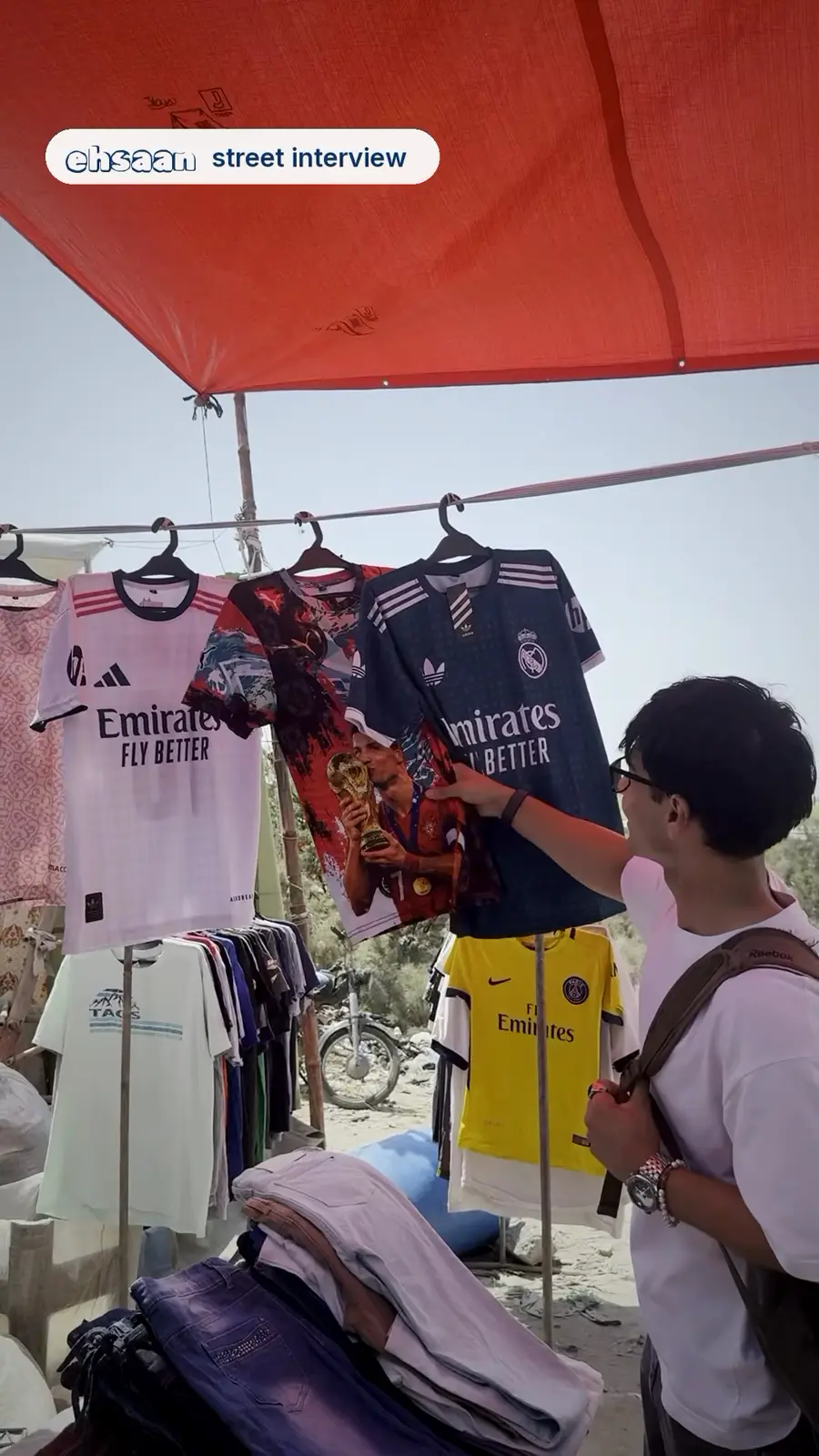
Second-hand clothing in Pakistan moved through comment sections, group chats and DM negotiations. No listings, no search, no trust layer, nothing built for the people already trading that way. ehsaan is the marketplace for them.
The first build took 23 prompts: React, Vite, TypeScript and Supabase through Lovable, then moved into Claude Code against a 19-section knowledge base so that every rule the product follows is written down and survives the next feature. The brand was designed for the audience that already trades this way: fast, visual and unembarrassed about second-hand. The social content, the video and the launch assets were produced alongside the build, so the product and the campaign shipped as one thing. Four disciplines, one contract.
The finding that shaped every screen: trust is the product. Every decision routed back to whether a stranger would send money for a stranger's jacket. That is the question a marketplace is built to answer, and no feature list answers it.
How we build an app
- 01
Write the rules before the screens
What the app must never do, who pays whom and when, what a listing is, what happens when a deal goes wrong. This becomes the knowledge base, and it is the most valuable file in the project.
- 02
The first build in days, not months
We get a working version in front of you fast, through whichever tools get there quickest, then rebuild the parts that need to last. Arguing over a specification for a quarter teaches nothing a week of use would not.
- 03
The brand alongside
Identity, type, colour and the product's voice, designed for the people who will use it and built into the app as a system rather than painted on afterward.
- 04
Launch as part of the build
The content, the video and the launch assets are made while the app is being made, so there is an audience on the day it opens, not a plan to find one.
- 05
Hand over everything
The repository, the hosting, the design files, the knowledge base and the accounts, all in your name. We stay on if you want us to. You do not need us to.
Who owns the code when an agency builds your app?
You do, or you should walk away. Every repository, hosting account, domain and model key we create is in your name from the first day, not transferred at the end, because a transfer that has not happened yet is a lever. The knowledge base is written for whoever comes after us. An agency that keeps the code is renting you your own product, and the rent goes up at the worst moment.
What a build with us includes
- A working app on a modern stack, hosted in your accounts.
- A written knowledge base of every rule the product follows.
- A design system, so the product stays consistent as it grows.
- Brand identity, social and launch assets when you want them in the same contract.
- The repository and every account in your name from day one.
- A first version in use early, and a scope that ships before the last feature is argued over.
What it costs
A build is priced under Tailored, to the number it is meant to produce, because a marketplace with payments and trust mechanics is not the same project as a booking tool for one clinic. We write the scope against how the product earns before anything is designed. If the arithmetic does not work, we say so on the call, and we would rather lose the project than build a thing that cannot pay for itself.
Bring the problem, the audience and the number you need the app to produce. The scope is written from those three, and nothing else.
The questions that follow.
Do you build for both phone platforms?
Yes. Most startups should launch as a web app that works on any phone and add native apps once the product has earned them. We say which is right for you before quoting.
Can you take over an existing codebase?
Yes, after reading it. We will tell you honestly whether it is worth continuing or cheaper to rebuild, and we show the reasoning rather than asserting it.
Do you use AI tools to build?
Yes, openly: the first ehsaan build came out of prompts, then was rebuilt against a written knowledge base. The tools make the first version fast; the knowledge base is what makes it last.
How long does an app take?
A first usable version in weeks; a launch-ready marketplace in months. We give dates against a written scope, and the first version is always in your hands before the end.
Will you also do the marketing after launch?
Yes, if you want it. The content, ads and search work are the rest of what we do, and the team that built the product already knows it.
The price is published.
Where this leads.
No deck. No discovery theatre. One metric, one date, in the contract.