A brand with a product behind it
We design brand identities for launches, and the logo is the last thing we draw. First comes the margin table: cost to make, price to sell, what is left. The identity is built around what survives it. For ehsaan, a thrift marketplace app in Pakistan, we designed the brand and shipped the launch with the product. For Noted., past work, eight products were priced to margin before the identity existed.
In detail
Why does a branding agency ask about margin before design?
Because a brand is a promise about a product, and a product that loses money on every sale cannot keep any promise for long. Design is the most expensive thing to redo, so we do the cheap arguments first, on a spreadsheet: what each candidate product costs to make and ship, what the audience will pay, and what is left after the platform, the returns and the ads take their share. Products that fail die there, before anyone has grown fond of a mockup. The identity is then designed for the products that survived. A moodboard made before that is decoration looking for a reason.
ehsaan: the identity and the launch, shipped with the app
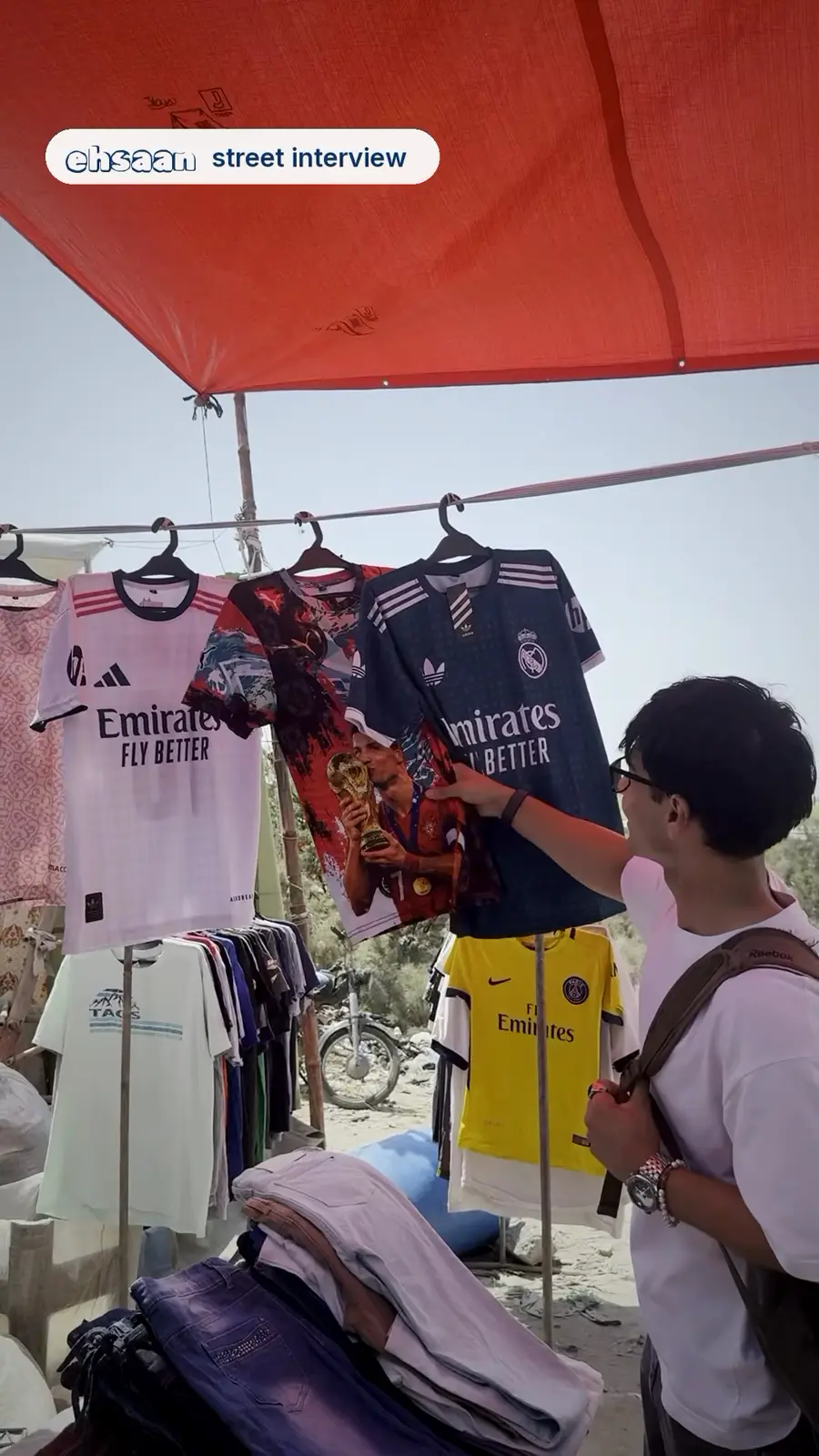
ehsaan is a person-to-person thrift marketplace for Pakistan, built for people who were already trading second-hand clothes through comment sections and group chats. The brand had to speak to them, not to a boardroom: fast, visual, and unembarrassed about second-hand, because the category's problem was that nobody had treated it as a category.
We designed the identity, the type and colour system and the product's voice while the app was being built, so the brand lives inside the screens rather than being painted over them afterward. The social content, the video and the launch assets were made in the same contract, so the product and its campaign ship together rather than the campaign being planned after. Four disciplines, one scope, one launch. The first build took 23 prompts and the product now runs against a 19-section knowledge base, which is also where the brand's rules live.
How a brand package is built here
- 01
The margin table
Every product or plan that might carry the brand gets a cost, a price and a margin on paper. We argue here, where changing a number is free.
- 02
The audience in one page
Who buys, what they already buy, what they would be embarrassed to be seen with and what they would show off. The identity is designed for them, not for the design awards.
- 03
The idea before the mark
One idea the whole brand hangs on. Noted.'s was a red pen. ehsaan's was that second-hand needs no apology. The logo is the last expression of that idea, not the first.
- 04
The system
Type, colour, layout, voice, and the rules for each, written down so the next designer or the next model keeps the brand without asking us.
- 05
The launch
The posts, the stories, the video and the first month's calendar, made alongside the identity so the brand arrives with something to say.
Noted., past work, and what it showed
Noted. was a creator merch brand we built from nothing, and it is finished, which is why we can show the whole of it. A creator with 115K followers and nothing to sell. The identity grew from a single idea, a red-pen annotation, and it was not drawn until eight products had cleared the margin table against real production costs. Then came the production setup, the Instagram launch plan and the handoff pack, and while we ran it the account grew by 3,000 followers a month.
We name it as past work because it is. A brand page that lists finished engagements as if they were current is the kind of page this site is built not to be.
What does a brand package include?
The idea, written in a sentence. The mark and its variants. A type system and a colour system with the rules for using them. The voice: how the brand writes a caption, a product page and a reply to a complaint. Templates for the formats you will actually use, which for most brands means social posts, packaging and a product page rather than a letterhead. The launch content for the first month. And the written rules, in a file you own, so the brand survives whoever works on it next. What it does not include is a logo on its own, for reasons set out below.
What we refuse
- A logo with no product behind it. A mark for a business that has not decided what it sells is a tattoo chosen before the person exists, and we would be paid to make something that gets redone.
- A rebrand to fix a sales problem. If the product is not selling, a new colour will not change that, and we will say so on the call.
- A brand designed from a competitor's. If the brief is to look like the market leader, the result is a cheaper version of someone else.
- A share of the product's revenue. The fee is flat and agreed before the work starts, so the advice stays honest when the numbers are not.
- A launch with nothing to launch. The content is made alongside a product that exists, or it waits.
What it costs
A brand identity is priced per project under Tailored, to what the launch is meant to produce, because an identity for a single product line and a full system for a marketplace app are different amounts of work. If it is part of an app build, as it was for ehsaan, it is scoped inside the same contract. The margin table comes first either way, and if the arithmetic says the product cannot carry a brand yet, we tell you that before you pay for one.
You own the files, the rules and the licences we bought in your name from the day they are delivered.
The questions that follow.
Do you design logos on their own?
No. A logo is the last expression of an idea about a product. Without the product and the margin behind it, we would be drawing a mark for something that may never exist, and that is not work we are proud to invoice.
How long does a brand identity take?
Weeks for a single product line, longer for a product with many screens. The margin table and the idea come first, and the drawing is the fast part once those are settled.
Can you brand a product that already sells?
Yes, and that is the easiest brief, because the margin table already exists in your accounts. We read it, then design for the products that are earning their place.
Is Noted. a current client?
No. Noted. is past work and finished. We show it because the whole arc is visible, from no products to a priced line with a handoff pack, and nothing on this page is a current result.
Will you also build the product or the store?
Yes. ehsaan's identity shipped inside the app build, and a creator's line usually needs a simple store. The brand and the thing it sells are better made by the same hands.
The price is published.
Where this leads.
No deck. No discovery theatre. One metric, one date, in the contract.