The object is the content
A museum does not need to invent content. The collection is the content. We film the objects, write one line each about who carried them and why they sit behind the glass, and cut it for the vertical feed. Around that sit the event campaign and the search work, so the museum's own page is what people find. We do this for the Gettysburg Museum of History in Pennsylvania.
In detail
Why do museum accounts post so much and reach so few?
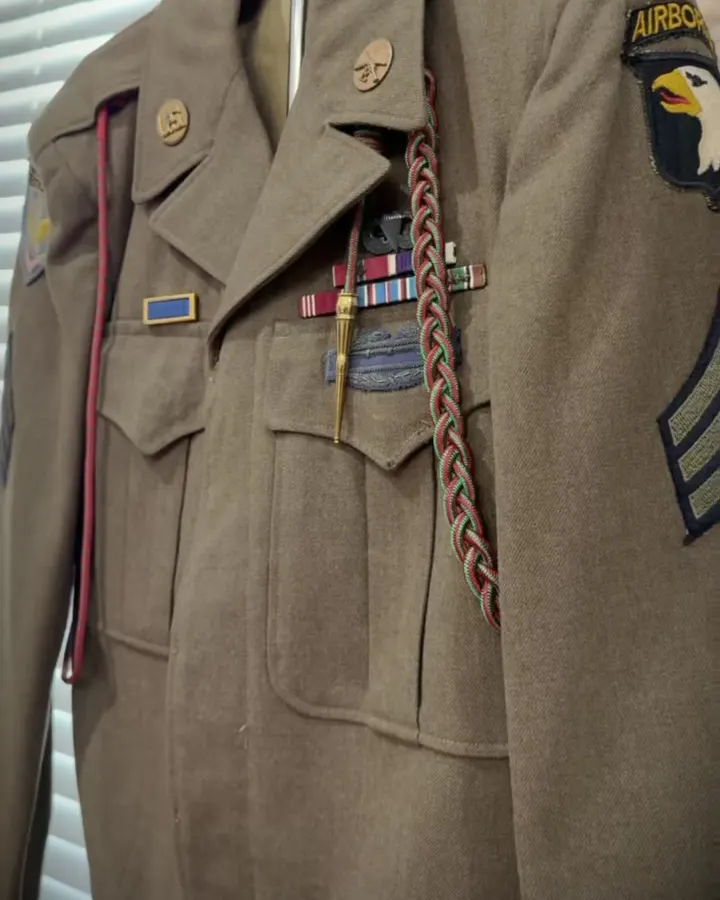
Because most of what they post is about the institution, not the things inside it. Opening hours, a gift shop sale, a group photo from the gala. A stranger scrolling at midnight does not care about any of that. They will stop for a jacket with a name stitched inside it and a line that says where it was worn. Objects beat adjectives. A museum's feed should look like its cases, one story at a time, filmed close enough to see the wear, with the room and the schedule kept for the stories where they belong.
How we work a collection
- 01
Walk the floor with the curator
We pick objects the way a visitor does: the ones that make you stop. Then we ask the person who knows them for the line that explains why.
- 02
Film close, cut vertical
A phone-first frame, the object filling it, natural light where the cases allow. One film per object, under a minute, with the one line on screen.
- 03
Series, not one-offs
A numbered object series, a countdown to the event, an invitation film and the posts that announce the day, all in one look so the feed reads as a campaign rather than a scrapbook.
- 04
Put the event page where the searches land
The museum's own event page, its listing and the partner site, written so the person typing the weekend's name into Google lands on the museum rather than on a ticket reseller.
- 05
Report the room, not the likes
The measure of an event campaign is whether the room filled. We report what we can see and we do not dress it up.
The October campaign
The Gettysburg Museum of History keeps its collection on open display: uniforms, equipment and the stories of the men who carried them. The brief was to put that collection in front of people who had not yet walked through the door, and to fill the room for the museum's anniversary weekend in October.
The campaign ran for thirty days in one look. Countdown stories, one a day. An object series, numbered, each one a piece from the cases with the line that earns it a place there. An invitation film. A paid plan to carry the posts past the museum's own followers. And the search work underneath: the event page, the museum's listing and the Foundation's new site, so the weekend was findable from the museum's own address.
No figure appears here because none has been cleared for publication, and we would rather show you the work than invent a number for it. The case page has the films and the posts.
Does a small museum need paid ads at all?
Less than it fears, and never first. The collection earns reach by itself once it is filmed properly, because an object nobody has seen is new to everyone. Paid spend has one honest job for a museum: carrying an event to people within driving distance in the weeks before it happens. We set that spend with you, in your own account, in writing, and we turn it off when the weekend is over. A museum that runs ads all year to a feed full of opening hours is paying to interrupt people with a timetable.
What this is not
- A rebrand. The museum already has an identity; the work is to film what it holds.
- A follower campaign. Followers are a by-product of films that stop the scroll, not the goal.
- A content calendar handed to a volunteer. We make the films, write the lines and post them, and we hand over a system when you want to run it yourself.
- A promise about attendance. Nobody who guarantees a full room is telling you the truth.
The questions that follow.
Can you film inside the cases without disturbing the display?
Yes. The object is filmed through the glass with the piece filling the frame, or handled by the curator where the museum allows it. Nothing is moved without the museum's say.
Who writes the historical captions?
The museum checks every line. We draft from the object's record and the curator's own account, and nothing goes out that the museum has not read.
Do you work with museums outside the United States?
Yes. We work on New York hours from Karachi, with clients in four countries. The museum we show here is in Pennsylvania.
How do you measure search for an event?
Whether the museum's page is the result for the weekend's name and the town, and whether the event page is the one people click. We check it by hand before and after, and we show you the screen.
Can the museum run this itself afterwards?
That is the intention. The object series is a format, and a format can be taught. We leave a written system: how to pick, how to film, how to write the line.
The price is published.
Where this leads.
No deck. No discovery theatre. One metric, one date, in the contract.